


Persistent sensitivity to hot or cold, or an abscess, can indicate deep damage to the dental pulp.Endodontics, also known as root canal therapy, preserves the natural tooth, eliminates infection and provides rapid pain relief.
Endodontics is the discipline concerned with the long-term disinfection of canals and isthmuses within tooth roots, where healthy pulp is normally found. In the past, this procedure was improperly called a “root canal”.
A devitalized tooth can sometimes turn grey over time. In our practice, we don’t just treat the root: we also offer solutions for correct the color of teeth from within. Our aim is to give you whiter teeth even after complex root canal treatment.
When the natural tooth cannot be saved despite our care, we plan a tooth replacement with long-term solutions. Whether it’s a implant-supported crown to replace a missing root, or gum and tooth gum and bone care to stabilize to stabilize your future prostheses, we pave the way for lasting restoration.
Endodontic treatment is recommended when the pulp is inflamed or infected.
There are a number of symptoms that should alert you to the possibility of unbearable pain.
Persistent pain under a crown.
In these situations, prompt action can often prevent tooth extraction.
What situations can lead to complications?
Prevention remains our priority. A early dental care often helps avoid pulp complications in adulthood. We advise every patient to consult his or her dentist regularly dentist for an annual check-up to detect deep caries before it reaches the nerve.
Endodontic treatment generally takes place in the presence of an “operating field” or dental “dam”, which acts as a barrier between the endodontium and oral fluids.
Its stages are as follows:
Ares dental establishes itself dental care center in Luxembourg for state-of-the-art treatments. Our expertise in endodontics enables us to preserve your natural teeth through meticulous root canal disinfection, a crucial step often initiated during an emergency dental consultation following acute pain.

When acute pain occurs in the oral region, the first instinct is often to suspect a deep cavity or a pulp infection requiring root canal treatment.
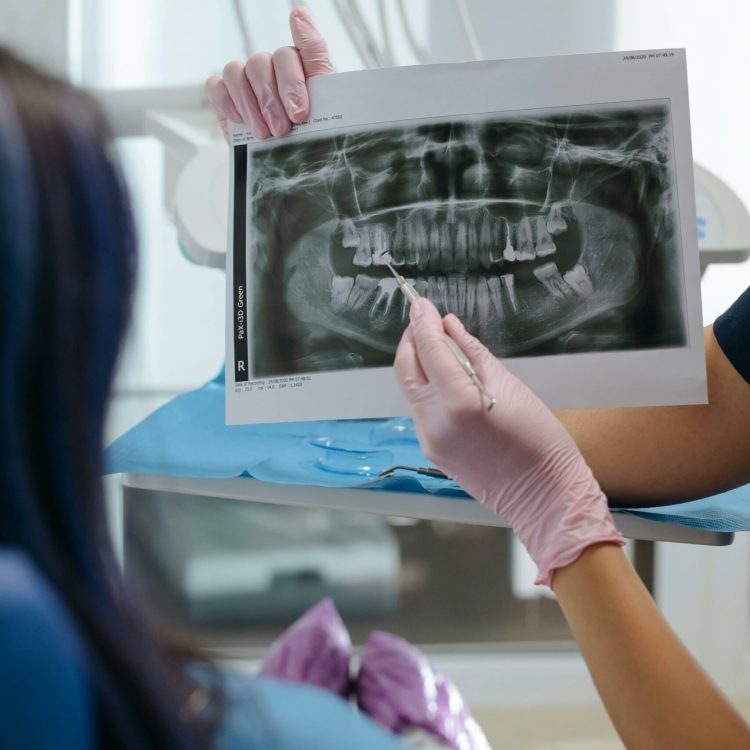
In endodontics, accurately identifying the source of the pain is a crucial step in preventing treatment errors.
However, the facial nervous system is complex, and referred pain is common. As a result, joint disorders often mimic complex dental conditions: pain in the jaw can sometimes be mistaken for a toothache. Read our article on the TMJ.
If the clinical examination and endodontic X-rays reveal no abnormalities in the tooth’s structure itself, it becomes essential to consider the possibility of temporomandibular joint dysfunction in order to tailor the treatment plan.
The treatment follows several precise steps to ensure lasting results.
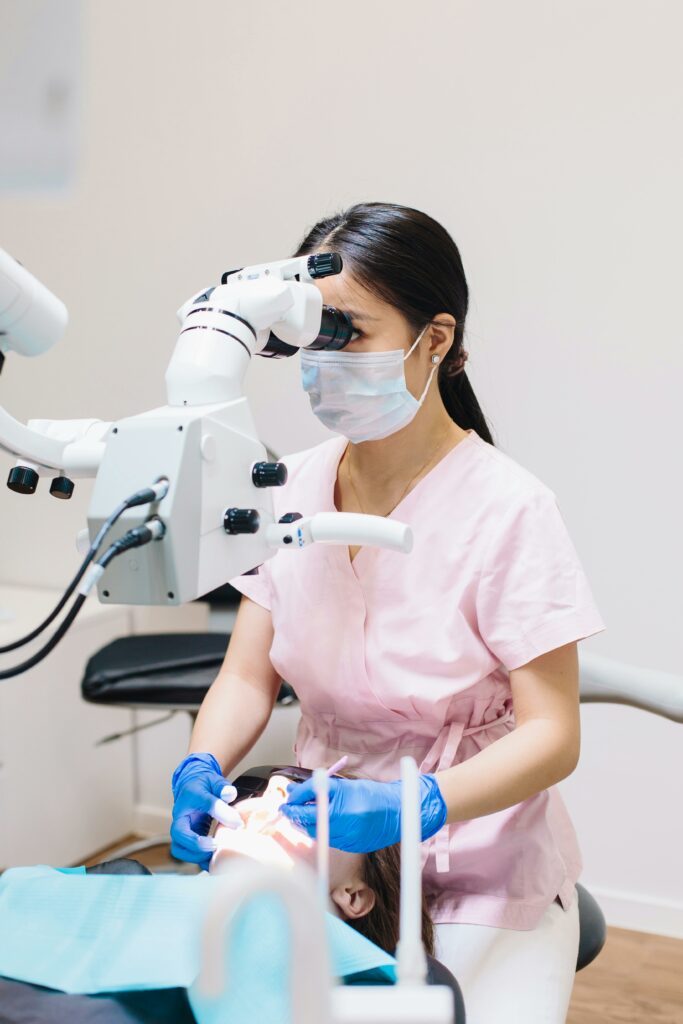
Thanks to modern anaesthetics and current protocols, treatment is generally painless, if at all. In most cases, the patient feels a great sense of relief once the inflammation has disappeared.
Slight sensitivity for 24 to 48 hours is still possible after treatment, which is normal.
How long does recovery take?
Recovery depends on the initial level of infection.
A crown can be fitted as soon as the tooth has stabilized, to avoid fractures.
Keeping your natural tooth has many advantages: maintaining natural mastication preserving bone and gum tissue avoids an implant or bridge long-term comfort more natural aesthetic result.
Endodontic treatment is therefore often the most conservative and cost-effective solution.
Yes, in some cases pain may reappear, particularly if: a root canal was not treated initially a new infection has developed the tooth has cracked the crown is no longer watertight.
Endodontic treatment then allows the tooth to be retreated and its life extended.
The cost depends on the number of canals, the tooth involved and the complexity of the case. A precise estimate can be drawn up after examination.
Depending on your situation, part of the treatment may be covered by the CNS. We can help you understand the reimbursement terms and conditions.
To keep your teeth healthy, here are a few essential tips:
We recommend brushing at least twice a day: once in the morning and once in the evening before going to bed. It’s also beneficial to brush your teeth after meals if possible, especially after consuming sweet or acidic foods or drinks.
Be sure to brush for at least two minutes each time, using an effective brushing technique to clean all tooth surfaces.
No single toothpaste is best for everyone, as dental needs can vary from person to person. However, here are a few criteria for choosing a good toothpaste:
Most treatments are carried out in one or two sessions.
Yes, but it’s advisable to avoid chewing on the treated side for a few hours.
Not systematically, but it is often recommended on molars to strengthen the tooth.